What are POPs?
Persistent Organic Pollutants (POPs) are highly toxic chemical substances that present a serious health threat to both humans and wildlife. In soft furnishings, POPs are present in the form of brominated fire retardants. POPs can accumulate in the fatty tissue of humans and other living organisms for long periods of time and are resistant to degradation, which can cause harmful effects to the environment and disrupt normal biological functions.
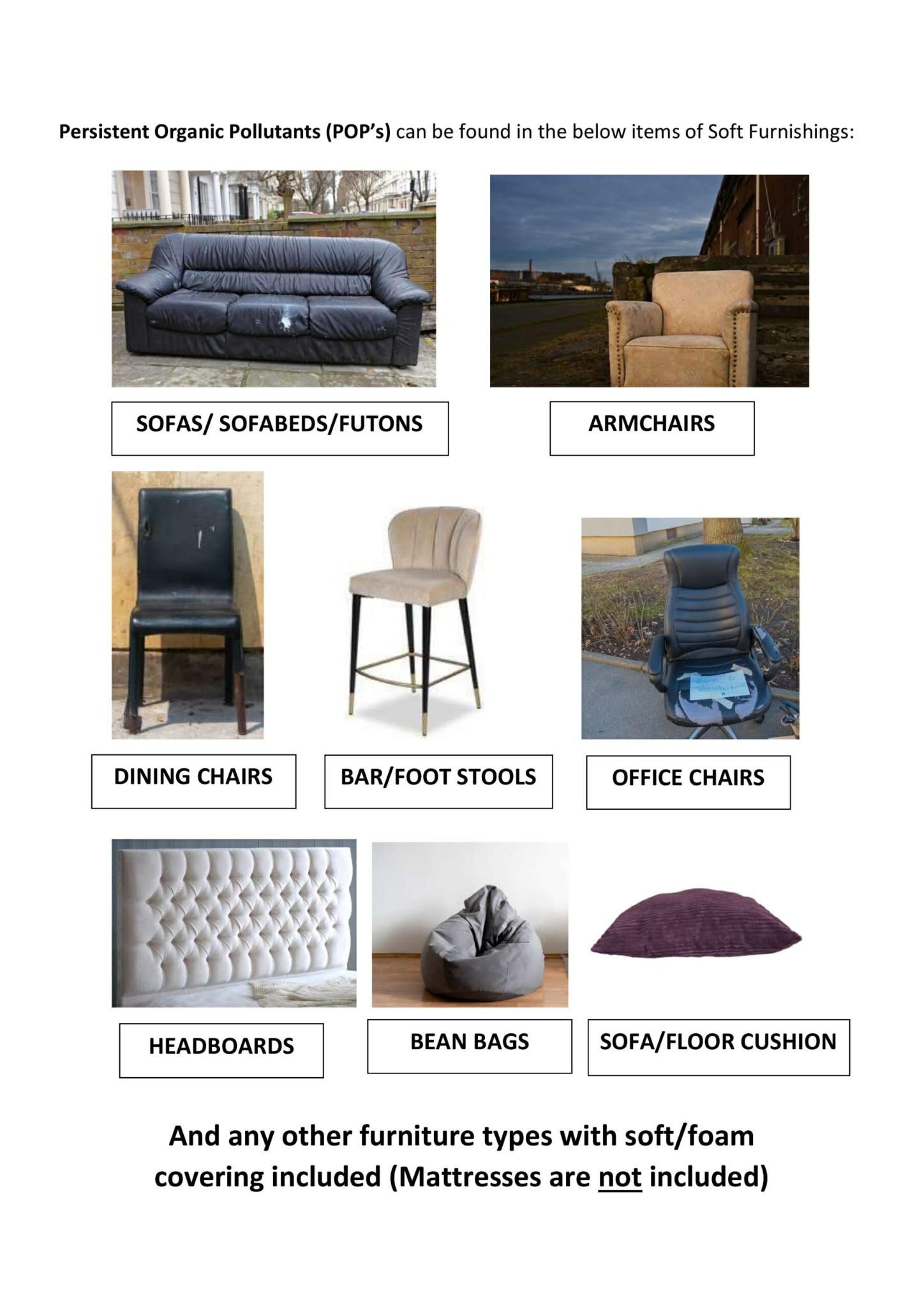
WUDS, or Waste Upholstered Domestic Seating,
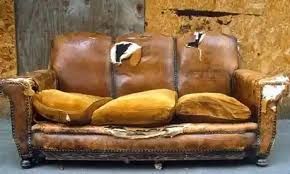
refers to old, discarded furniture like sofas, armchairs, and chairs that have upholstery or foam. This waste can contain Persistent Organic Pollutants (POPs), which are toxic chemicals previously used as flame retardants. Due to the environmental and health risks associated with POPs, new regulations require that WUDS containing these chemicals be disposed of separately and through methods like incineration, not landfill.
What is included in WUDS?
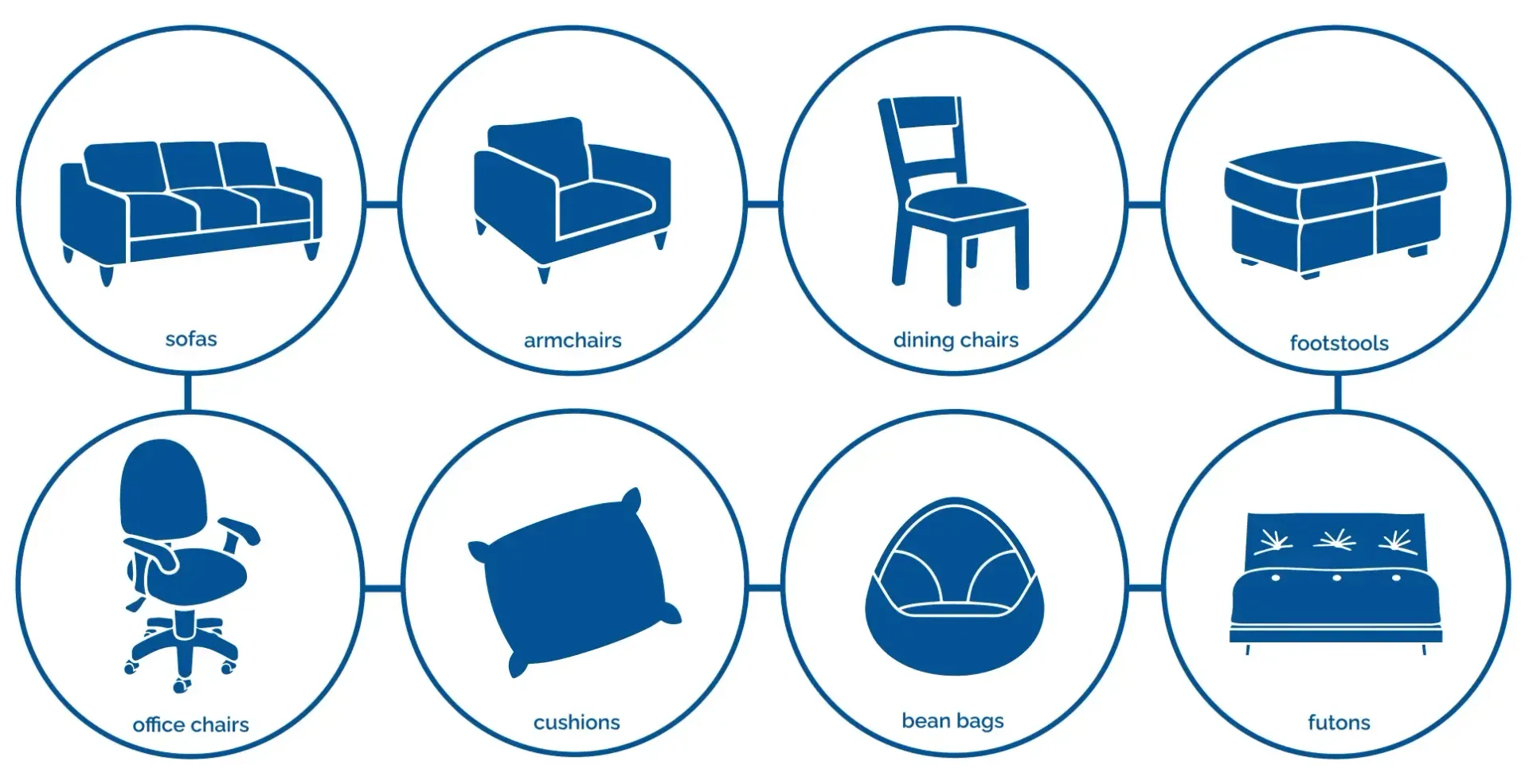
- Sofas and sofa beds
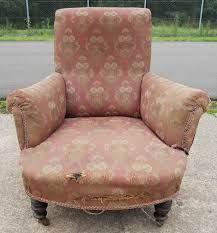
- Armchairs
- Kitchen and dining room chairs
- Stools and footstools
- Home office chairs
- Futons, bean bags, and floor cushions
- Electrical recliner chairs
What is the significance of the "POPs" designation?
POPs are harmful chemical substances that persist in the environment.
They are present in upholstered furniture manufactured before 2019, as they were used as a flame retardant.
New regulations make it illegal to landfill WUDS containing POPs, requiring them to be segregated and treated separately.
The required disposal method is typically incineration, which destroys the chemicals.
How to manage POPs in waste?
Domestic seating containing POPs cannot be recycled, landfilled, or prepared for reuse. It is highly imperative that these toxic chemicals are destroyed and removed from use. Upholstered furniture must be disposed of via incineration to protect the ecosystem and human health. Energy from Waste plants operate at 1000°c, effectively destroying the flame retardants found in domestic seating. This process includes the shredding of waste, with additional control measures to reduce the risk of POPs entering the environment.
Why the change in legislation?
An investigation conducted by The Environmental Agency confirmed that there is a widespread presence of POPs in domestic seating items and that any seat covered in fabric contains POPs well over the threshold limits. When these items become waste, strict measures must be taken to ensure that POPs are not released into the environment and will not contaminate other waste or recycling materials.